


Alaskan Seiti is a widely used seafood name that many people see in grocery stores, frozen food aisles, and restaurant menus, but very few fully understand. It is generally used as a commercial name for a white fish that comes from the cold waters of Alaska and the North Pacific Ocean. Most of the time, this fish is actually Alaska Pollock, a well-known species in the global seafood industry. The reason behind the different naming is mostly related to marketing, regional language differences, and product labeling systems used in international fish trade.
Over the past few years, Alaskan Seiti has become increasingly popular due to its affordability, mild taste, and high nutritional value. It is now commonly used in home cooking, fast food chains, and frozen food products worldwide. Many health-conscious people also prefer it because it is low in fat and high in protein, making it suitable for modern balanced diets. As seafood consumption continues to grow globally, Alaskan Seiti has secured its place as one of the most accessible and versatile fish options available today.
What Is Alaskan Seiti?
Alaskan Seiti is not a scientific name but a market or trade name used to describe a type of white fish, most commonly Alaska Pollock. This fish belongs to the cod family and is widely harvested in the cold waters of the North Pacific Ocean. Even though the name “Seiti” might sound formal or biological, it is actually used for branding purposes to make the product more appealing to international consumers.
Read More: Randy Travis at Joe T. Garcia’s
In simple terms, Alaskan Seiti refers to a mild-flavored, lean white fish that is widely used in processed seafood products as well as home cooking. Because it is easy to cook and has a neutral taste, it is suitable for people who are new to eating seafood. Its identity may vary slightly depending on the region, but its core characteristics remain consistent across global markets.
Scientific Classification and Identity
From a scientific perspective, Alaskan Seiti is most closely associated with the species Gadus chalcogrammus, commonly known as Alaska Pollock. This fish is part of the larger cod family, which includes several economically important fish species found in cold ocean waters. Being part of this family means it shares many similarities in taste, texture, and nutritional profile with cod and haddock.
Scientific classification is important because it helps fisheries, scientists, and governments regulate fishing practices and maintain sustainable populations. Even though consumers may see different commercial names in stores, the biological classification ensures that the fish is properly identified and managed in global seafood systems.
Natural Habitat of Alaskan Seiti
Alaskan Seiti thrives in cold and deep ocean waters, particularly in the North Pacific region. These waters include areas such as the Bering Sea and Gulf of Alaska, which are known for their clean environment and stable low temperatures. Such conditions are ideal for cold-water fish species, allowing them to grow naturally without the need for artificial farming systems.
Also Read: Ac Milan Vs SSC Bari Timeline
The natural habitat plays a major role in shaping the fish’s quality. Cold water helps maintain firm texture and mild flavor, while the clean ocean environment reduces the risk of contamination. Because of these natural advantages, Alaskan Seiti is often considered a high-quality seafood option compared to fish from warmer or more polluted waters.
Physical Appearance of the Fish
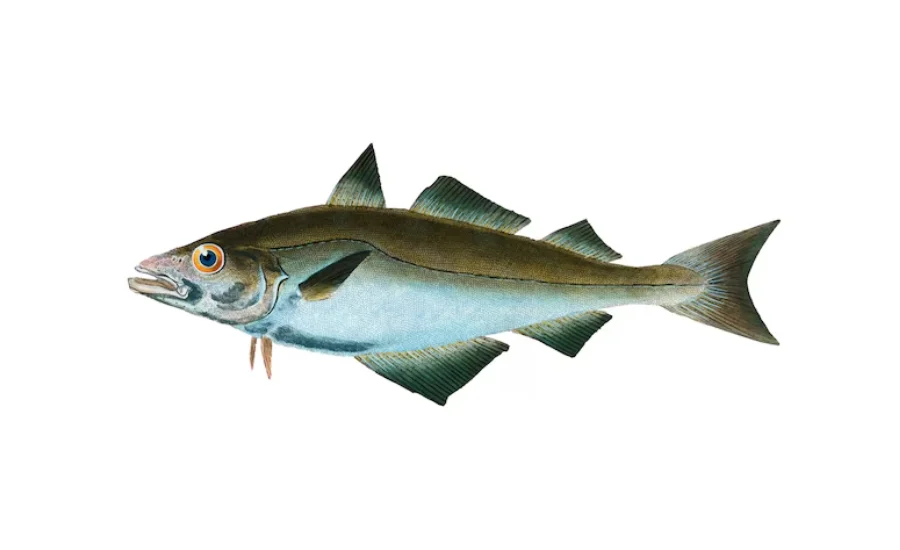
Alaskan Seiti has a long, slender body with a silvery-gray upper side and a lighter, almost white underside. This coloration helps it blend into its natural environment and avoid predators in deep waters. The fish can grow to a moderate size depending on its age and environmental conditions.
When processed for consumption, it is usually cut into fillets or frozen blocks. The flesh is white, smooth, and uniform in texture, making it suitable for a wide range of cooking methods. Its simple appearance may not be as visually striking as other premium fish, but its practical qualities make it highly valuable in the seafood industry.
Taste and Flavor Profile
One of the biggest advantages of Alaskan Seiti is its mild and pleasant taste. It has a very mild, clean, and slightly sweet flavor that does not overpower other ingredients in a dish. Unlike stronger fish varieties that have a noticeable fishy taste, this fish remains subtle and adaptable, making it ideal for beginners.
Because of its neutral flavor, it easily absorbs spices, herbs, and sauces. This makes it a popular choice in many cuisines around the world, including Asian, European, and American cooking styles. Its versatility in flavor allows chefs and home cooks to experiment freely without worrying about overpowering the seafood taste.
Texture and Cooking Behavior
The texture of Alaskan Seiti is soft, flaky, and light when cooked properly. It holds its structure well during cooking, which makes it suitable for frying, baking, grilling, or steaming. When cooked, it separates into delicate flakes that create a pleasant eating experience.
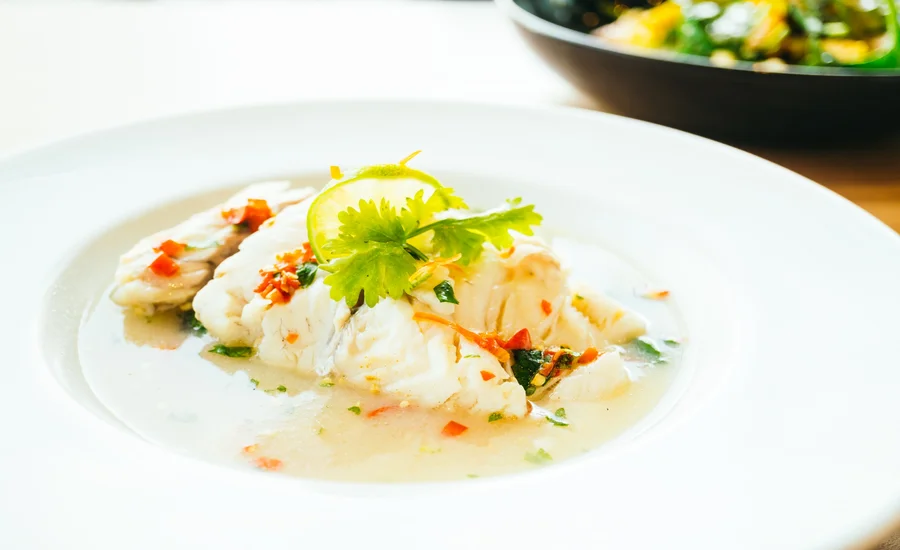
This texture also makes it highly useful in processed food products such as fish sticks, fillets, and ready-to-eat meals. Because it does not break apart too easily, it is ideal for large-scale food production and commercial kitchens.
Nutritional Profile Overview
Alaskan Seiti is considered a nutrient-rich fish that provides a balanced combination of protein, vitamins, and minerals. It is especially known for being low in calories while still providing essential nutrients required for daily body functions. This makes it a preferred choice for people focusing on healthy eating habits.
It contains high-quality protein, vitamin B12, selenium, and phosphorus, all of which contribute to energy production, immune system support, and bone health. It also provides omega-3 fatty acids, although in moderate amounts compared to oily fish species.
Health Benefits of Alaskan Seiti
The health benefits of Alaskan Seiti are closely linked to its nutrient composition. Regular consumption supports muscle development due to its high protein content. It is also beneficial for maintaining energy levels and supporting recovery after physical activity.
In addition, the fish contributes to heart health because of its low saturated fat content and presence of omega-3 fatty acids. It may also support brain function, immune strength, and overall well-being when included as part of a balanced diet.
Role in Weight Management
Alaskan Seiti is often included in weight-loss diets because it is low in calories but rich in protein. Protein helps increase feelings of fullness, which can reduce overall food intake and support calorie control. This makes it suitable for people trying to manage or reduce body weight.
At the same time, it provides essential nutrients without adding unnecessary fat or heavy calories. This balance makes it an ideal option for fitness enthusiasts and individuals following structured diet plans.
Heart Health Advantages
One of the important benefits of Alaskan Seiti is its positive impact on heart health. The fish contains healthy fats that may help maintain balanced cholesterol levels and support proper blood circulation. Its low saturated fat content also contributes to cardiovascular wellness.
When consumed regularly as part of a healthy diet, it may help reduce risks associated with heart-related conditions. This is one of the reasons why nutrition experts often recommend lean fish like Alaskan Seiti.
Brain Function and Mental Health Support
Alaskan Seiti contains nutrients such as omega-3 fatty acids and vitamin B12, which are important for brain health. These nutrients support cognitive function, memory retention, and mental clarity. They also play a role in maintaining proper nervous system function.
Including this fish in a balanced diet may help support long-term brain health, especially when combined with other nutrient-rich foods. It is often recommended for both children and adults due to its cognitive benefits.
Sustainability and Environmental Importance
One of the key strengths of Alaskan Seiti is the sustainable way it is harvested through responsible fishing practices. Fisheries in Alaska are among the most strictly regulated in the world, ensuring that fish populations remain stable and ecosystems are protected. These regulations include strict catch limits and scientific monitoring systems.
Sustainable fishing helps preserve marine biodiversity and ensures that future generations can continue to benefit from seafood resources. This makes Alaskan Seiti a responsible environmental choice compared to many other protein sources.
Fishing and Harvesting Process
Alaskan Seiti is caught using modern commercial fishing vessels that operate under strict guidelines. Once caught, the fish is often processed immediately on board the ship to preserve freshness and nutritional value. This process is known as freezing at sea.
This method helps maintain the fish’s texture, flavor, and quality during transportation. It also ensures that consumers receive a product that is as fresh as possible despite long-distance shipping.
Cooking Methods at Home
Alaskan Seiti is very easy to cook and suitable for beginners. It can be prepared using multiple methods such as pan-frying, baking, grilling, or steaming. Each method brings out slightly different flavors and textures, allowing flexibility in meal preparation.
Because it absorbs seasoning easily, it works well in both simple and complex recipes. It is commonly used in soups, curries, sandwiches, and rice-based dishes around the world.
Storage and Handling Tips
Proper storage of Alaskan Seiti is important to maintain its quality and safety. Frozen fish should be kept at consistent low temperatures until ready for use. Once thawed, it should be cooked within a short time to prevent spoilage.
Cooked fish should be stored in the refrigerator and consumed within a few days. Proper handling ensures both safety and taste are preserved.
Popular Uses in Global Cuisine
Alaskan Seiti is widely used in international cuisine due to its versatility and mild flavor. It is commonly found in fast food products, fish sandwiches, frozen meals, and traditional home-cooked dishes. Its neutral taste allows it to fit into many cultural recipes.
From Asian stir-fries to Western-style baked dishes, this fish adapts easily to different cooking traditions, making it a global favorite.
Stay More: Melker Schörling AB / Anticimex Förvärvsstrategi
Comparison With Other Fish
When compared with cod, haddock, and tilapia, Alaskan Seiti stands out for its affordability and mild taste. While cod may have a slightly richer flavor, Seiti is more budget-friendly and widely available. Compared to tilapia, it comes from wild cold waters, which many consumers prefer.
This balance of price, taste, and nutrition makes it one of the most practical seafood choices in global markets.
Common Myths and Misunderstandings
There are several myths surrounding Alaskan Seiti, including the belief that it is artificial or heavily processed. In reality, it is a natural wild fish harvested from ocean waters under strict regulations. Another misconception is that it is unhealthy, but nutritional evidence shows that it is actually a healthy protein source.
These misunderstandings often come from confusion around naming and labeling differences in different countries.
Conclusion
Alaskan Seiti is a widely consumed white fish known for its mild taste, nutritional value, and sustainable sourcing. Although the name is a commercial label, the fish itself—commonly Alaska Pollock—is one of the most important seafood species in the world.
Its combination of health benefits, affordability, and ease of cooking makes it suitable for modern lifestyles. Whether you are a beginner or an experienced cook, Alaskan Seiti offers a simple and reliable seafood option that fits into almost any diet.
FAQs
1. What is Alaskan Seiti fish?
Alaskan Seiti is a market name for Alaska Pollock, a mild white fish from the North Pacific. It is also searched as what is Alaskan Seiti fish.
2. Is Alaskan Seiti healthy?
Yes, Alaskan Seiti is high in protein and low in fat, making it a healthy seafood choice. It is often searched as Alaskan Seiti nutrition benefits.
3. What does Alaskan Seiti taste like?
It has a mild, soft, and non-fishy taste, which makes it great for beginners and easy recipes.
4. Is Alaskan Seiti the same as Alaska Pollock?
Yes, in most cases Alaskan Seiti refers to Alaska Pollock fish, just under a different market name.
5. How to cook Alaskan Seiti?
You can cook it by frying, baking, grilling, or steaming. It cooks fast and is very easy to prepare.
6. Is Alaskan Seiti safe to eat?
Yes, it is generally safe when properly cooked and stored. It is also considered low in mercury fish.